
From a Professor's Point of View
Below are testimonials from Miami University professors. In their interviews we asked them a series of questions in relation to Latinx in the university. We also asked questions to gather background on each individual as well. Due to Latinx being a relatively new term, it is important to view it from a generational perspective.
Professor Raul Ianes
Professor Raul Lanes is a Spanish instructor at Miami University and has been teaching Spanish there since 1993. He is from Montevideo, Uruguay and studied at a university in the United States. He started at the youngest in the program and is now at the top of the Spanish language department. We asked Dr. Lanes a series of questions about Latinx and his transition into his job there. When asked about the first time he heard the term Latinx, he explained that he was late to hear it, unlike most. He had only heard it a few months prior to this interview. He heard it from a professor at a college in Richmond. He began to explain that he was lost by the meaning of the word. He specializes in teaching Spanish grammar to his students and says that he understands the meaning and the goal of inclusion but that he does not teach his students to use the x over the o/a. He is in favor of the term; however, he is still conservative and is worried the term will be short lived. We then switched to the topic of inclusion in the university. He said that when he first arrived at Miami to teach, the student body was incredibly uniform. There was little diversity among the students. His own son did not get accepted into the university when he applied. This upset the department greatly because the Latin student admissions officer was not from a hispanic origin and was not familiar with the specific culture. As time went on the university he has noticed progression toward inclusivity through Hispanic events and the growing population of Hispanic students at the university.
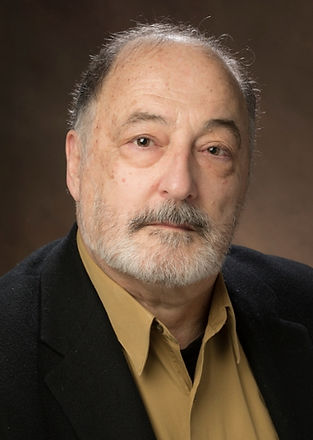

Professor Nohelia Rojas-Miesse
Professor Nohelia Rojas-Miesse is a Spanish professor at Miami University and teaches several different Spanish courses. She has been teaching here since 1994 after she completed her graduate education at Miami. She also teaches abroad, originally in Nicaragua, her home country. Now her program is taught in Costa Rica due to the unstable government conditions in Nicaragua. Like Raul, we asked Nohelia questions about Latinx in the university and her transition to the university. When asked the first time she noticed Latinx being incorporated at the University, she explained that she noticed it roughly three to five years ago. Although she did not understand the meaning at first, she assumed that it was another term like millennials. Nohelia then went on the express her thoughts of the term, she sees it as a form of identity and that it is great that people are choosing to identify as Latinos. She likes that young people are proud of their heritage and choose to identify as their race. She does not see any negativity behind the term.
We then went on to asking questions about whether Miami University and Oxford incorporates Latinx/Hispanic culture well? Without hesitation she explains that she is not very active in the Latinx extracurricular activities due to her living in another city, but as an outsider, she does not see it being enough for students. In response to future progress that she would like to see, she said that she would like more than just Latino students to be involved. She wants non-Latinos to become more involved and educated on the Hispanic culture.
We asked Nohelia about her reasons for becoming an abroad professor and she went on to say that she really likes the idea of taking students to Central America. Miami's abroad programs are heavily focused on European countries and she felt that taking students to developing countries would be more beneficial. They get to go to less stable countries and learn more about the culture. She likes the idea of showing students that there are countries out there that are not necessarily vacation destinations and that you can visit them safely.